
Supply Chain
Reverse Logistics: A Returns Management Guide for India
By ATTPL Fleet · · 4 min read
Reverse logistics and returns management guide for Indian businesses: pickup, inspection, restocking, refurbishment, documentation and cost control.
What Is Reverse Logistics?
Every business that ships products also receives some back. Customers return wrong sizes, damaged items or unwanted orders; dealers send back unsold stock; manufacturers recall faulty parts. Reverse logistics is the process of moving these goods from the customer back to the seller, warehouse or repair point and deciding what happens next. Handled poorly, returns eat into margins and frustrate customers. This guide explains how businesses in Jaipur, Rajasthan and across India can build a simple, cost-aware returns management process.
Forward logistics moves goods from warehouse to customer. Reverse logistics moves them the other way. It covers return pickup, transport, inspection, sorting, restocking, repair, recycling or disposal, and the paperwork and refunds that go with them.
It is common in e-commerce, consumer electronics, appliances, fashion, automotive parts, pharmaceuticals and B2B distribution, where packaging, pallets and crates may also come back for reuse.
Why Returns Management Matters
- Returned goods tie up money until they are resold, repaired or written off.
- Slow refunds or pickups hurt customer trust and repeat sales.
- Unchecked returns can hide fraud, damage in transit or quality issues.
- Good data on return reasons helps improve products, packaging and descriptions.
Clear communication is a big part of the experience. Many businesses now use messaging tools to update customers on pickup and refund status; this guide on WhatsApp CRM for customer communication shares practical ideas.
Steps in a Reverse Logistics Process
- Return request: customer or dealer raises a request with the order number and reason.
- Approval: the business checks eligibility against its return policy.
- Pickup: a delivery partner collects the item, ideally with basic checks at the doorstep.
- Transport: returns are consolidated and moved to a hub or returns warehouse.
- Inspection and grading: items are checked and graded, such as resaleable, repairable or scrap.
- Disposition: restock, refurbish, return to vendor, recycle or dispose responsibly.
- Closure: refund, replacement or credit note is issued and records are updated.
Doorstep pickup works much like delivery in reverse. ATTPL's last mile delivery services cover the same local networks that returns depend on.
Setting Up a Returns Warehouse or Returns Zone
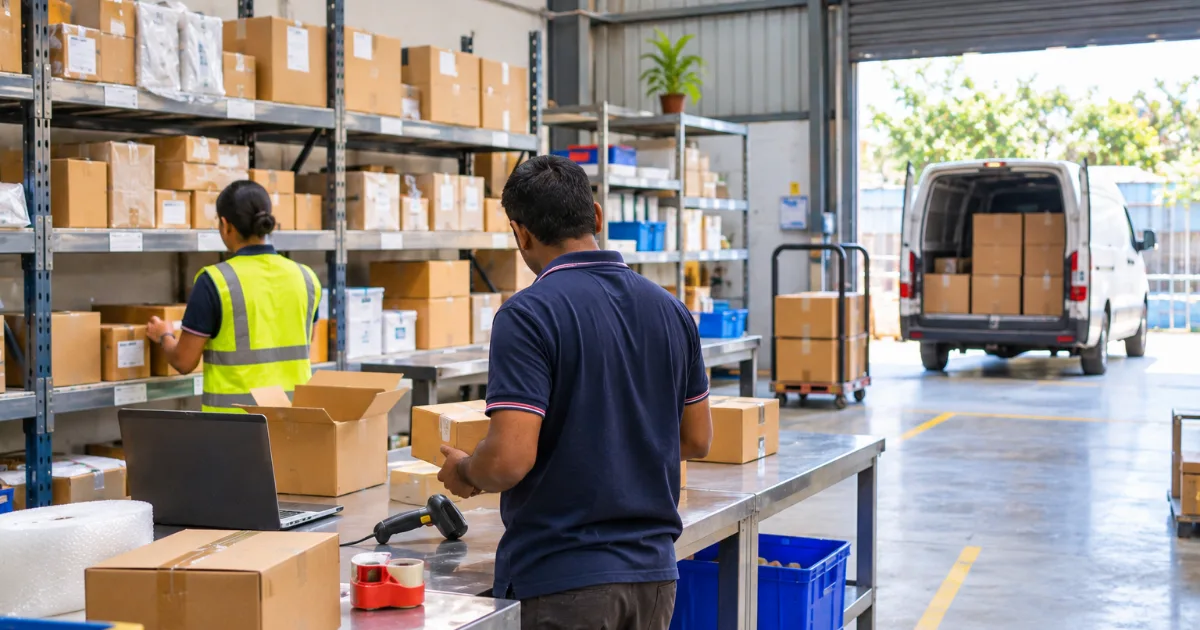
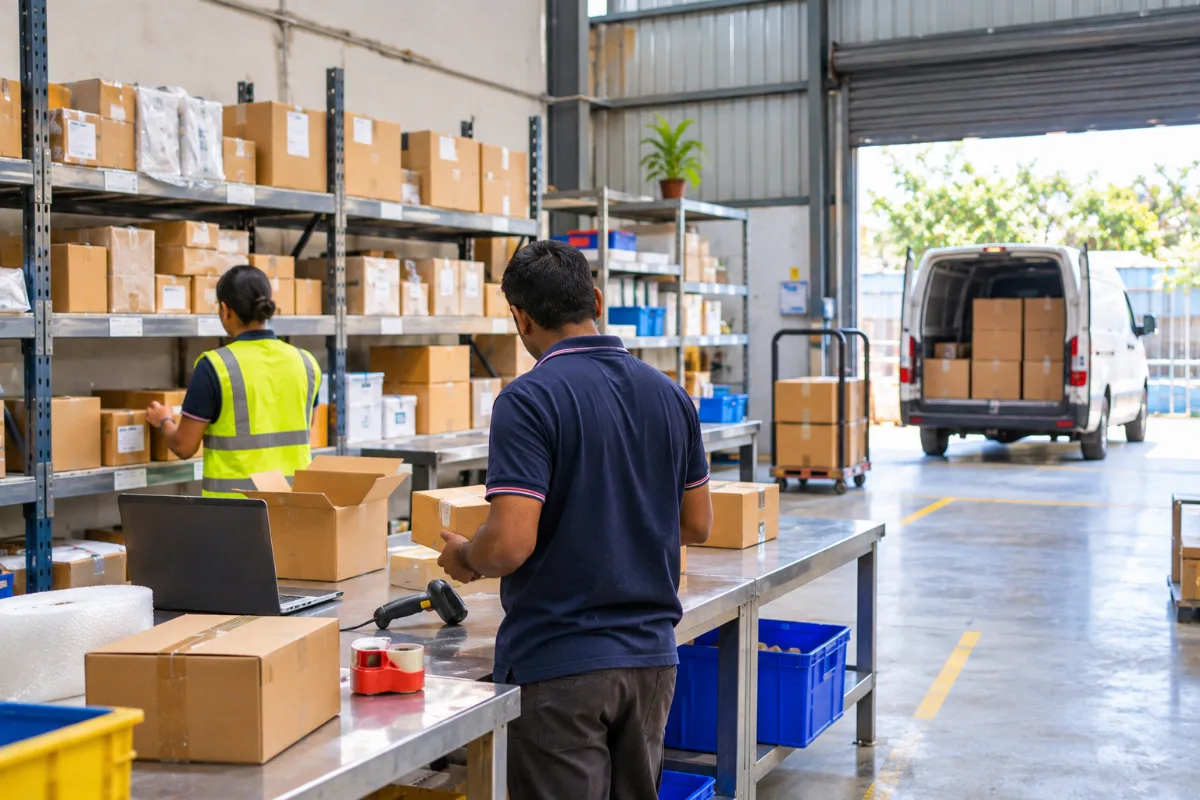
Returned items should not be mixed with fresh stock until inspected. A dedicated returns zone keeps things clear and makes it easier to see how much value is waiting to be recovered at any time.
Inspection staff need simple grading rules, photos of common defects and a checklist for each product category. Consistent grading reduces disputes with customers and vendors, and it helps the accounts team issue the correct refund or credit note without delay.
- Separate receiving, inspection, repair and restock areas.
- Label every item with its return ID and grade.
- Set a target time for inspection so items do not pile up.
- Track returned stock separately in your inventory system.
Businesses that lack space can use warehousing and storage services for returns handling alongside regular stock.
Documentation and Compliance for Returns
Moving returned goods still needs proper paperwork. Depending on the case, this may include a delivery challan, credit note, or an e-way bill for movement above the applicable threshold. GST treatment of returns and credit notes has specific rules, so check the current position on the official GST portal or with your tax adviser.
Returns to vendors also depend on supplier agreements. Clear terms on defects, timelines and responsibility help; this vendor due diligence checklist for SMEs is a useful starting point when reviewing suppliers.
Controlling Reverse Logistics Costs
- Reduce avoidable returns with accurate product descriptions, size charts and better packaging.
- Consolidate pickups by area and day instead of sending a vehicle for each return.
- Use return reason codes and review them monthly.
- Refurbish or resell graded items quickly before value drops.
- Measure cost per return, including transport, handling and refund delays.
Return reason and cost data become more useful when visualised. Business data analytics services can help you build simple reports that show which products, regions or partners drive most returns.
Build Your Returns Process with ATTPL Fleet
Reverse logistics works well when it is planned as part of the overall supply chain, not handled as an afterthought. ATTPL Fleet's supply chain solutions can help businesses design pickup, storage and transport flows for returns. To discuss your requirements, contact the ATTPL Fleet team.
Key takeaway: Reverse logistics turns returns from a cost leak into a managed process: quick pickup, separate inspection, clear grading, proper paperwork and regular review of return reasons and costs.
Frequently asked questions
What is the difference between forward and reverse logistics?
Forward logistics moves goods from the seller to the customer. Reverse logistics moves returned, unsold or recalled goods back for inspection, restocking, repair or disposal.
Is an e-way bill needed for returned goods?
It may be, depending on the value and nature of the movement. Check the current rules on the official GST and e-way bill portals or with your tax adviser.
How can a business reduce product returns?
Accurate listings, clear size and specification details, sturdy packaging, quality checks before dispatch and analysing return reasons all help reduce avoidable returns.