
Compliance
Transporting Hazardous Goods by Road in India: Compliance Basics
By ATTPL Fleet · · 2 min read
Basics of transporting dangerous goods by road in India: legal duties of consignors and transporters, vehicle marking, driver training, documents, emergency equipment and response.
What counts as hazardous goods
Hazardous or dangerous goods include fuels, gases, acids, chemicals, explosives and other materials that can harm people, property or the environment if they leak, catch fire or react. In India, road transport of such goods is regulated mainly through the Central Motor Vehicles Rules, 1989, along with other laws such as the Explosives and Petroleum rules and environmental rules.
Duties of the consignor and transporter
- The consignor must declare the goods correctly, provide information about their dangers and ensure proper packing and labelling
- The transporter must use a vehicle suitable and fit for the goods, with valid registration, fitness, permit and insurance
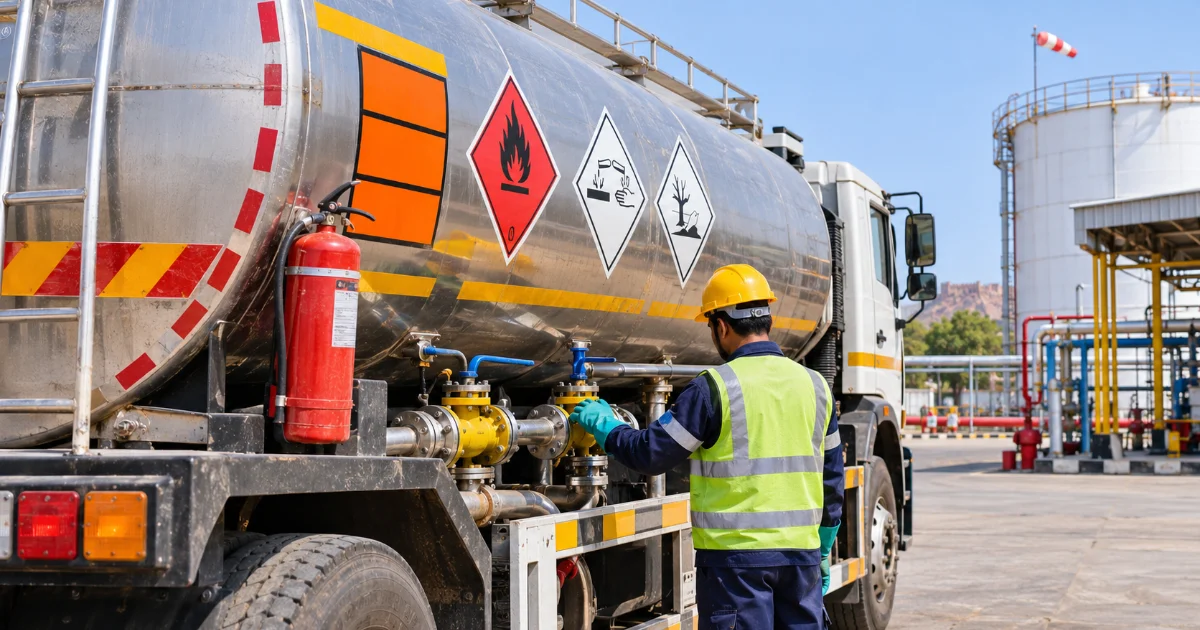
- Vehicles carrying dangerous goods must display the required class labels and emergency information panels
- Transport emergency information (often called a TREM card) must be carried in the cab
- Only goods that are compatible may be carried together
Check the exact rules and any licences that apply to your product, such as those under petroleum or explosives rules, before accepting a load.
Driver qualifications and training
Drivers of vehicles carrying dangerous goods need training in handling such goods, as required under the rules, in addition to a valid driving licence. Training should cover the properties of the product, use of protective equipment, what to do in a leak or fire, and whom to call. Refresh training regularly and keep records. See our driver safety training checklist and driver documents checklist.
Emergency equipment and response
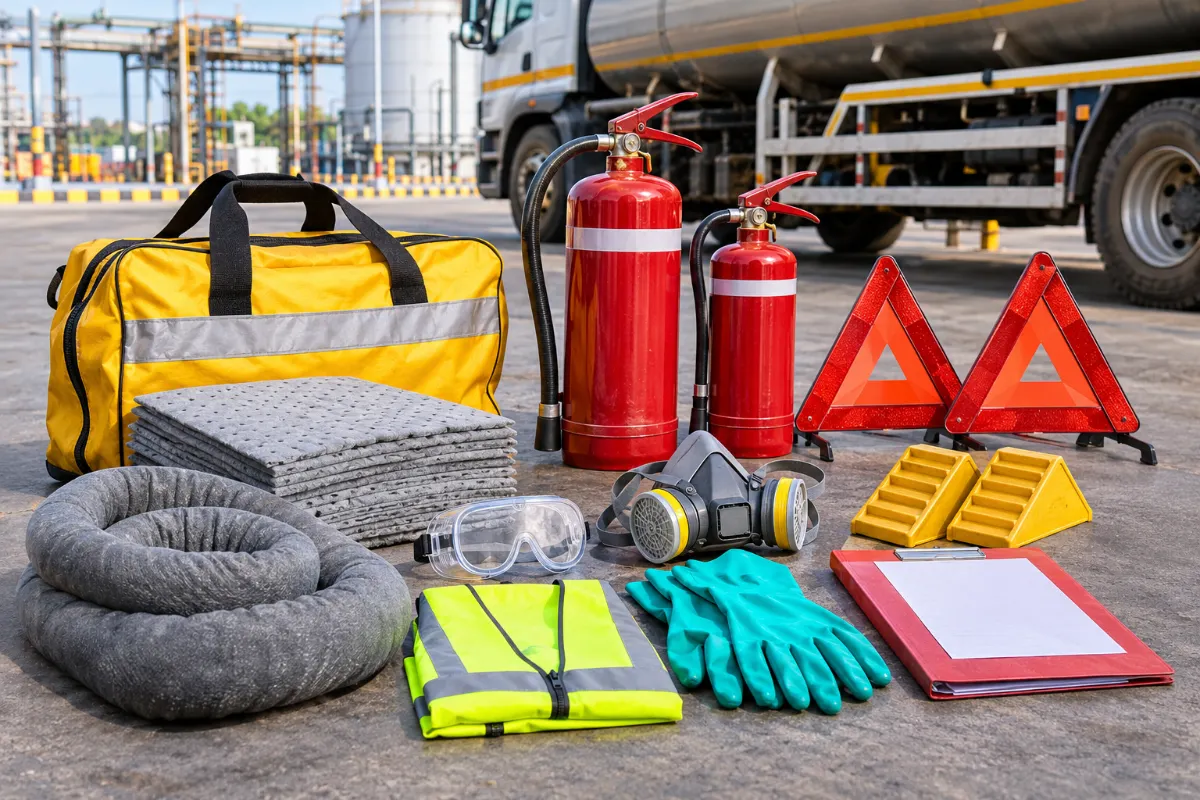
Carry suitable fire extinguishers, spill kits, protective equipment, warning triangles and wheel chocks, and check them before each trip. If an incident happens, stop safely, keep people away, inform emergency services and the consignor, and follow the TREM card instructions. Avoid smoking and naked flames near the vehicle. Plan routes that avoid crowded areas where possible; our accident response protocol explains reporting steps.
Documents to carry
Along with vehicle and driver documents, carry the consignment note or invoice, the e-way bill where required, the emergency information card and any product licence or permit. Insurance cover should match the risk; review your commercial vehicle insurance.
How ATTPL Fleet can help
ATTPL Fleet supports transporters with compliance checklists, driver training plans and trip monitoring. For contracts and liability questions, ATTPL Legal can review terms with consignors.
Frequently asked questions
Can any truck carry hazardous goods?
No. The vehicle must be suitable for the product, properly marked and compliant with the applicable rules, and the driver must be trained.
What is a TREM card?
A transport emergency card carried in the cab that describes the hazards of the goods and the emergency actions to take.
Who is responsible for labelling hazardous goods?
The consignor must declare and label goods correctly; the transporter must ensure the vehicle displays the required markings.
Sources and further reading
This article is general information for transporters and fleet operators, not legal or engineering advice. Rules and standards change; check the latest notifications and the vehicle manufacturer's manual.