
Operations
E-Way Bill Compliance for Transporters: A Practical Guide for Fleet Operators
By ATTPL Fleet · · 2 min read
What transporters must know about GST e-way bills — when they are needed, Part A and Part B, validity, vehicle changes, checks on the road and how to avoid detention and penalties.

Why e-way bills matter for transporters
Under GST, the movement of goods above a value threshold generally needs an electronic way bill (e-way bill) generated on the government portal. For transporters, a missing, expired or wrong e-way bill can lead to the vehicle and goods being detained, penalties and delivery delays. Getting the process right is part of running a professional fleet.
When an e-way bill is needed
An e-way bill is generally required when the value of a consignment exceeds ₹50,000, though states may have different thresholds or exemptions for movement within the state, and some goods are exempt. The supplier, recipient or transporter can generate it. Always confirm the current rules on the official e-way bill portal.
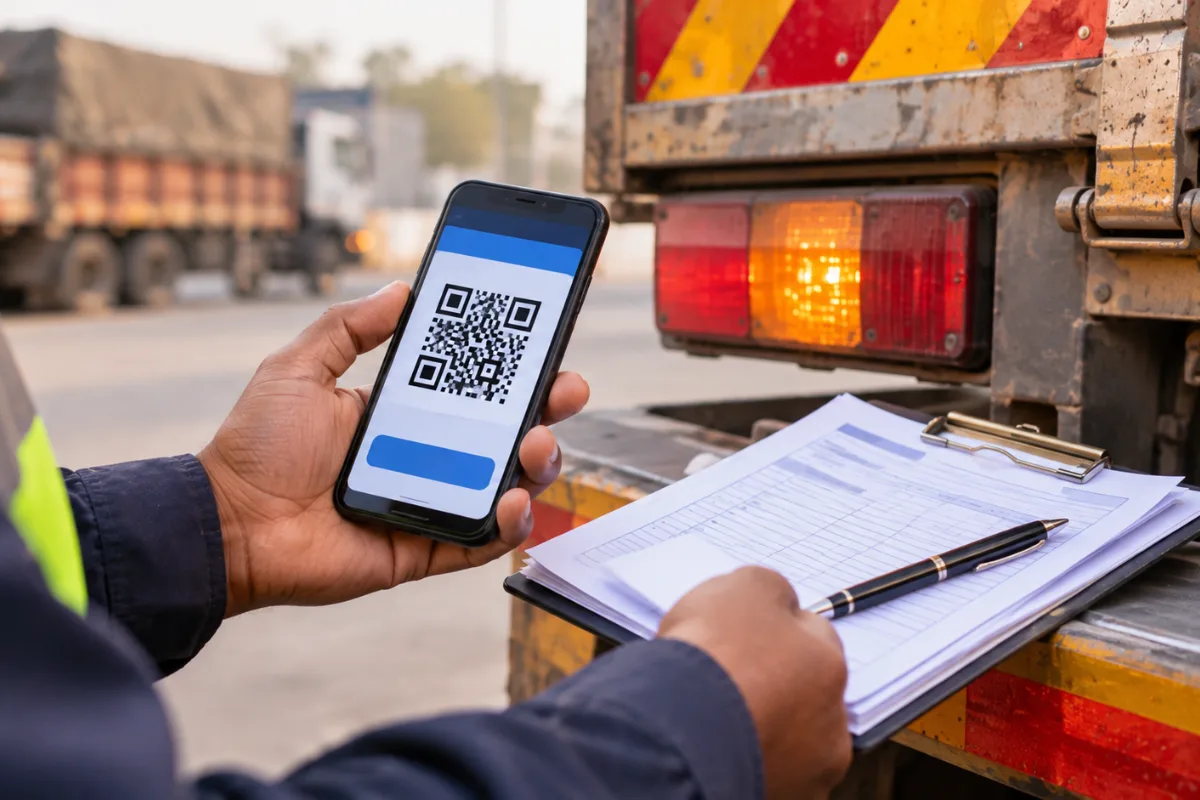
Part A, Part B and the transporter's role
- Part A contains invoice, consignor, consignee, goods and value details — usually filled by the supplier
- Part B contains the vehicle number — often updated by the transporter
- If the vehicle changes on the way (transshipment or breakdown), Part B must be updated before the goods move further
- Transporters without GST registration can enrol on the portal to get a transporter ID
Validity and extensions
Validity depends on distance: for normal cargo it is typically one day for every 200 km or part of it, with different rules for over-dimensional cargo. If goods cannot reach in time due to genuine reasons, validity can be extended within the permitted window. Plan routes realistically so validity does not lapse — see our route planning guide.
On-road checks and avoiding penalties
- Carry the invoice, e-way bill number or printout, and the driver's documents
- Make sure the vehicle number in Part B matches the truck
- Do not carry goods not covered by the invoice and e-way bill
- Report unreasonable detention through the proper channels and keep records
Overloading creates a separate set of penalties; read our axle load limits guide.
Building a compliant process
Assign one person per shift to check e-way bills before dispatch, train drivers on what to carry, and keep a log of extensions and vehicle changes. ATTPL Fleet helps fleets streamline operations and compliance, and ATTPL Consultancy supports GST processes for businesses.
Frequently asked questions
Who generates the e-way bill, supplier or transporter?
Either the supplier, the recipient or the transporter can generate it; the transporter usually updates the vehicle details in Part B.
What happens if the truck changes during the journey?
Part B must be updated with the new vehicle number before the goods continue.
How long is an e-way bill valid?
For normal cargo, typically one day for every 200 km or part of it. Check the portal for current rules and extensions.
Sources and further reading
This article is general information, not tax advice. GST rules and thresholds change; confirm on the official portal or with a tax professional.