
Operations
Route Planning for Trucks: Save Fuel, Time and Tolls
By ATTPL Fleet · · 3 min read
How transporters can plan truck routes to cut costs: route choice, load planning, tolls, fuel stops, rest breaks, return loads and digital tools.

What a good route plan considers
Two trucks carrying the same load between the same cities can have very different costs, depending on the route taken, the time of travel and whether they return loaded or empty. Good route planning reduces fuel, tolls, driver hours and wear on vehicles, and improves on-time delivery.
- Distance and road quality, not just the shortest path.
- Toll costs versus time and fuel saved on expressways.
- Traffic patterns and city entry restrictions for heavy vehicles.
- Fuel stops, rest areas and safe parking.
- Weighbridges and checkpoints.
- Customer delivery windows.
Plan loads with routes
Combine route planning with load planning. Match vehicle size to cargo, avoid overloading and plan multi-drop routes in a logical sequence. Reducing empty return trips — by finding backhaul loads through regular customers or load boards — is one of the biggest cost levers in trucking.
Tolls and FASTag
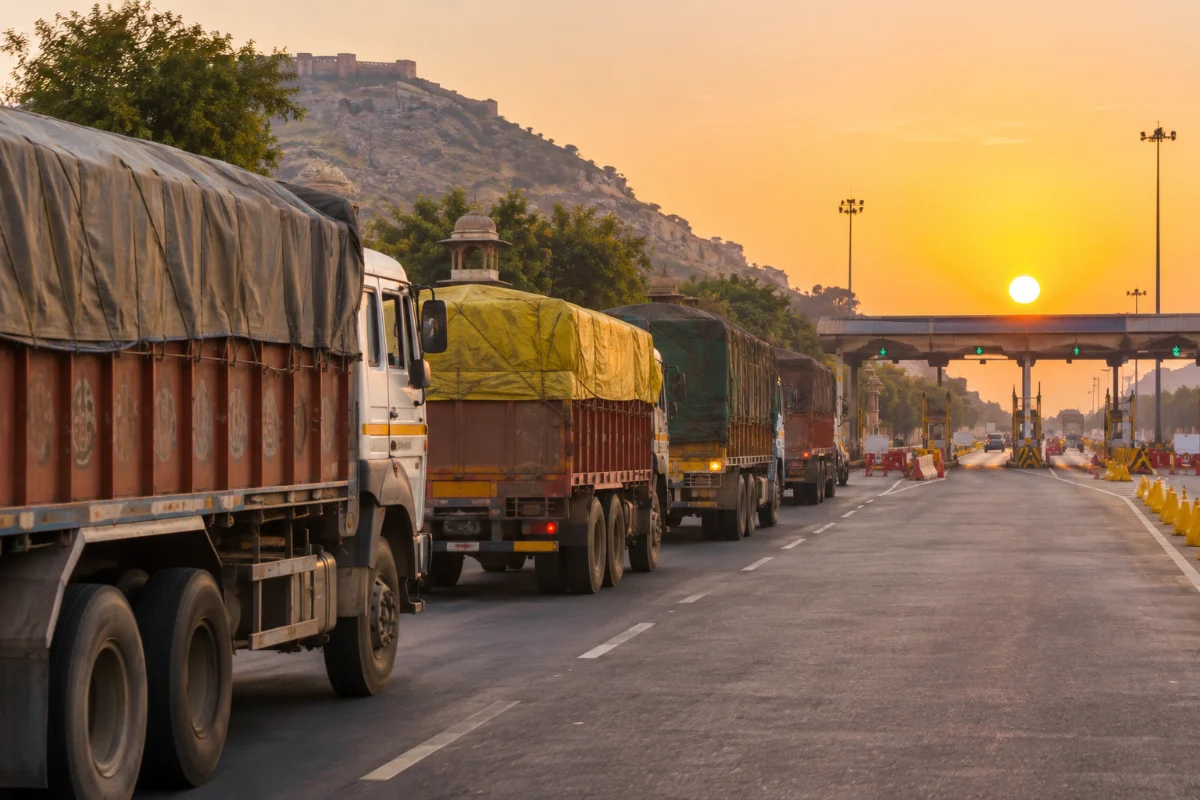
Toll costs are a significant part of trip cost on national highways. Compare toll routes against alternatives, but remember that poor roads increase fuel use, tyre wear and time. Keep FASTag accounts topped up and reconcile toll deductions regularly; our FASTag toll management guide explains how.
Build in rest and safety
Routes should include planned rest breaks and safe overnight parking. Unrealistic schedules push drivers to speed or skip rest. Our driver fatigue management guide explains how to schedule rest on long hauls.
Use digital tools
Map apps, GPS tracking and fleet software can compare planned and actual routes, flag deviations and measure stoppages; see our GPS tracking guide. Over time, this data shows which routes perform best and where fuel or time is lost. Combine it with fuel cost control for maximum impact.
Calculating trip cost
A simple trip cost sheet helps compare routes and quote correctly. Include fuel based on distance and the vehicle's actual mileage, tolls, driver wages and allowances, tyre and maintenance cost per kilometre, loading and unloading charges, permits and overheads. Divide by tonnes carried to get cost per tonne. Comparing this with freight rates shows which routes and customers are actually profitable, and where negotiations or changes are needed.
- Use real mileage from fuel records, not catalogue figures.
- Include return-trip costs when backhauls are uncertain.
- Update cost sheets when diesel prices or tolls change.
Working with customers
Many delays come from waiting at loading and unloading points. Agree on loading windows, documentation and turnaround times with customers in advance. Share vehicle tracking links so customers can plan receiving staff. Customers who reduce waiting time help your fleet complete more trips, and you can reward them with better service or rates.
Routes for different types of operations
Long-haul full-truckload routes focus on highway choice, tolls, fuel stops and rest. Regional distribution with multiple drops needs careful stop sequencing and time windows. Mining and construction haulage depends on road conditions, loading point access and weighbridges. Matching the planning method to the operation gives better results than a single approach for every trip.
Review and improve
- Compare planned and actual trip times and costs.
- Track cost per km and per tonne-km by route.
- Discuss delays and problems with drivers.
- Update standard routes as roads and tolls change.
For route and fleet cost reviews, contact ATTPL Fleet. Customer delivery commitments can be tracked in ATTPL CRM, and warehouse locations in Jaipur are covered by ATTPL Group.
Frequently asked questions
Is the shortest route always the cheapest?
No. Road quality, tolls, traffic and fuel use can make a longer route cheaper overall.
How can empty running be reduced?
By planning backhaul loads with regular customers, partners or load boards and coordinating trips centrally.
Which data helps route planning?
GPS trip data, fuel consumption, toll costs, delivery times and driver feedback.
How do tolls affect route choice?
Toll roads often save time, fuel and wear despite their cost; compare total trip cost rather than tolls alone.