Fleet Technology
GPS Vehicle Tracking for Truck Fleets: A Practical Guide
By ATTPL Fleet · · 3 min read
How GPS tracking helps truck fleets in India: live location, route history, alerts, fuel and driver behaviour data, AIS-140 basics and rollout tips.
What a GPS tracking system includes
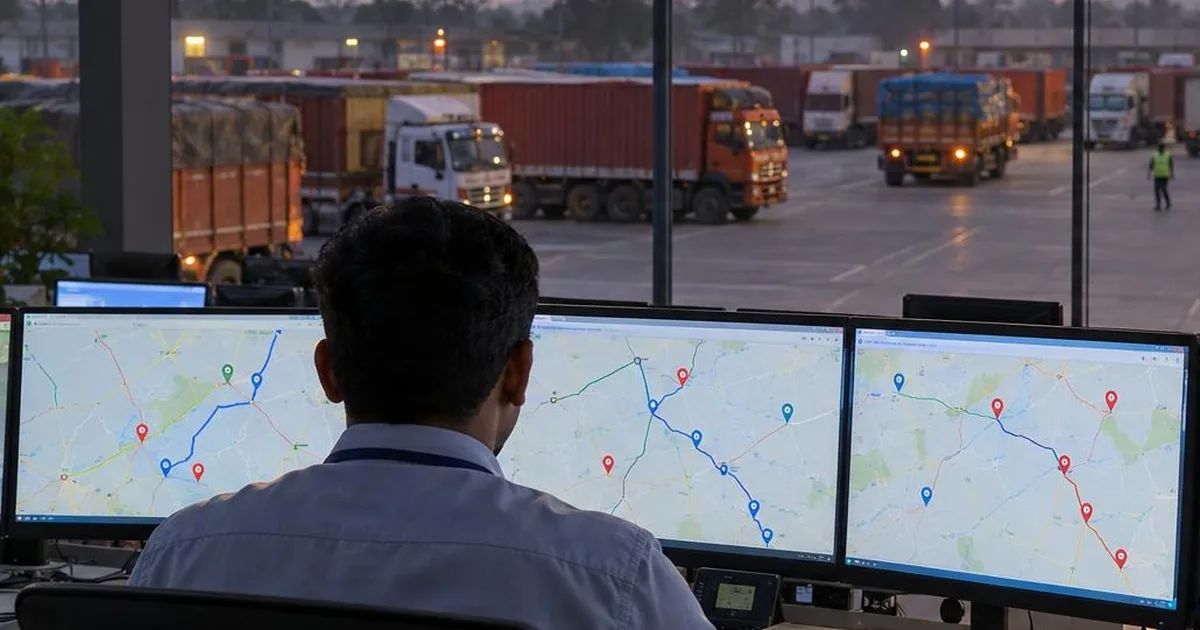
A customer calls to ask where their consignment is. Without tracking, the answer depends on reaching the driver by phone. With GPS tracking, the transport manager can see the truck on a map, share an expected arrival time and spot delays before they become complaints. For fleets of every size, vehicle tracking has moved from a luxury to a basic operating tool. This guide explains what it does and how to roll it out well.
A typical system has three parts: a tracking device fitted in the vehicle, a mobile network connection that sends data at regular intervals, and a web or mobile dashboard where managers see vehicles, trips and reports. Many devices can also read ignition status and connect to fuel sensors, temperature sensors for reefer trucks or a panic button.
Key features that matter for trucks
- Live location and estimated arrival time that can be shared with customers.
- Trip and route history for each vehicle, useful for billing and disputes.
- Geofences that alert you when a truck enters or leaves a plant, warehouse or customer site.
- Overspeed, harsh braking and long idling alerts.
- Stoppage reports to identify unplanned halts.
- Fuel level monitoring where a fuel sensor is fitted.
- Kilometre-based service reminders linked to the maintenance schedule.
AIS-140 and compliance
AIS-140 is the Indian automotive standard for vehicle location tracking devices and emergency buttons. Government rules have made such devices mandatory for many public service and commercial vehicle categories, and requirements can depend on the permit type and the state. Before buying, check with your RTO or the Parivahan portal which rules apply to your vehicles, and choose a device that is certified and can connect to the state's backend where required.
Using tracking data to improve operations
The value of tracking comes from acting on the data, not just watching dots on a map. Review weekly reports on idle time, average trip duration and detention at loading points. Long waiting time at a particular customer can justify a detention charge or a change in slot booking. Repeated overspeed alerts point to drivers who need coaching. Comparing kilometres with fuel bills helps detect leakage. Over time these insights reduce cost per kilometre and improve on-time delivery.
Choosing a tracking provider
Tracking providers differ widely in device quality, data accuracy and after-sales support. Before signing up, ask for a trial on your own routes, including remote stretches with weak mobile coverage, and check how the device stores data when the network drops. Confirm who installs and services the device, how quickly faulty units are replaced, what the annual subscription includes and whether you can export your data if you change providers later.
Also check that the dashboard is easy for your dispatchers to use on both desktop and mobile, that alerts can be routed to the right person, and that reports can be filtered by vehicle, driver, customer and date range.
Driver privacy and buy-in
Drivers may see tracking as surveillance. Explain clearly what is tracked and why, use the data for safety and planning rather than only for penalties, and recognise drivers with good safety records. Tracking also protects drivers by providing evidence in disputes and quick help in emergencies.
Rollout checklist
- Start with a pilot on a few vehicles and routes.
- Agree which alerts matter and who responds to them, so alerts are not ignored.
- Integrate tracking with your trip sheet, e-way bill and invoicing process; see our e-way bill checklist for shippers.
- Train dispatchers to share live links with customers.
- Review data monthly and adjust routes and schedules.
Technology support in the ATTPL network
Companies that want custom dashboards or integration with ERP systems can work with ATTPL IT, which builds business software and analytics. Driver records, shifts and training can be managed in ATTPL HRMS. Vehicle purchase or upgrade finance options are available through ATTPL Finance.
Ship with full visibility
ATTPL Fleet runs road transportation and multimodal transportation services from Jaipur with trip visibility for customers. Contact us to plan your next consignment.
Frequently asked questions
Is GPS tracking mandatory for trucks in India?
Rules require AIS-140 tracking devices for many commercial and public service vehicle categories. Check the current requirement for your permit type with your RTO.
Can I share a truck's live location with my customer?
Most tracking platforms let you share a temporary live link or an ETA with the customer for a specific trip.
How does GPS tracking reduce costs?
It reduces idle time, unplanned stops, overspeeding and fuel leakage, and helps plan routes and maintenance better.