
Compliance
Truck Overloading and Axle Load Limits: A Guide for Shippers and Fleet Owners
By ATTPL Fleet · · 2 min read
Why overloading trucks is risky and costly, how permissible weights are set, the penalties under the Motor Vehicles Act, and practical steps to load within limits.
Why overloading is a problem
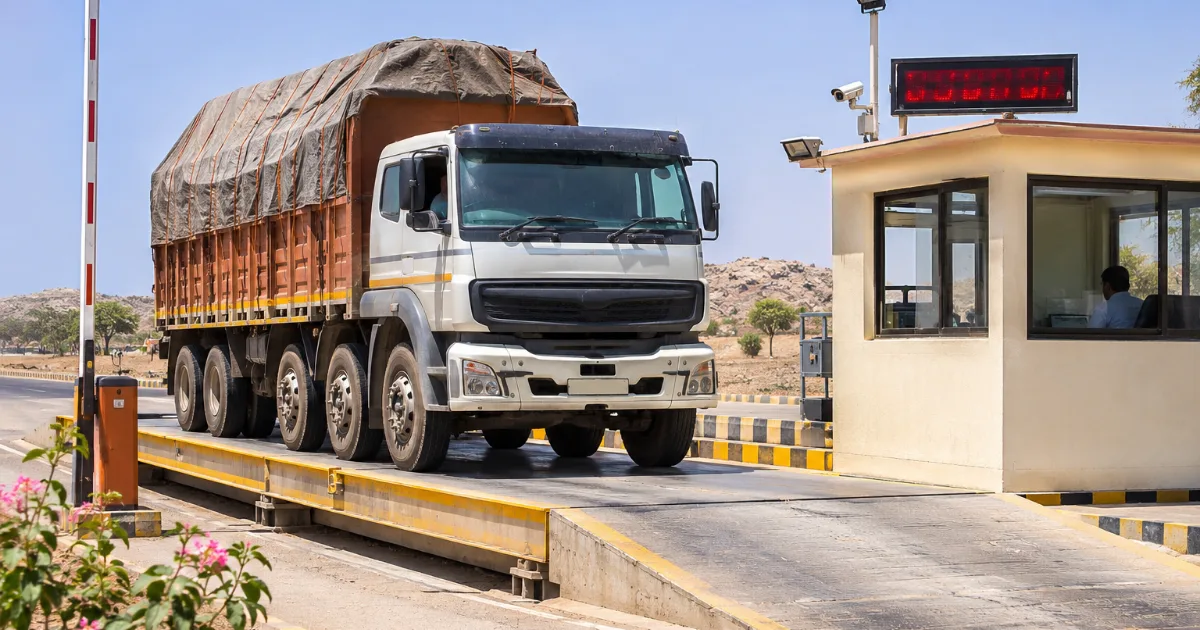
An overloaded truck takes longer to stop, is harder to steer, wears tyres, brakes and suspension faster and damages roads and bridges. It also exposes the owner, driver and shipper to fines, unloading of excess cargo and insurance disputes after an accident.
How weight limits are set
- Gross vehicle weight (GVW): the maximum permitted laden weight of the vehicle, as recorded in the registration certificate.
- Axle load: the maximum weight permitted on each axle, which depends on axle type and number of tyres.
- Limits are set under the Central Motor Vehicles Rules and notifications by the Ministry of Road Transport and Highways; check the RC and current notifications for your vehicle class.

Penalties and enforcement
The Motor Vehicles Act provides for substantial fines for overloading, with additional amounts per extra tonne, and authorities can require the excess load to be removed before the vehicle proceeds. Weigh-in-motion systems and weighbridges at toll plazas and checkpoints are increasingly used for enforcement. Repeat violations can affect permits.
Loading within limits: practical steps
- Know the permitted GVW and payload of every vehicle in the fleet.
- Ask shippers for accurate weights on invoices and the e-way bill; see the e-way bill checklist.
- Use weighbridges at loading points and keep weighment slips.
- Distribute load evenly across axles and secure it properly; see packing and loading tips.
- Plan heavy or bulky cargo separately — over-dimensional cargo planning needs special permits.
Cost and safety benefits
Loading correctly reduces breakdowns, tyre bursts and fuel waste. Our guides on tyre management and fuel cost control show how proper loading supports both. Construction materials and bulk cargo are common overloading risks; ATTPL Group’s construction material procurement guide covers planning deliveries.
Frequently asked questions
Who is responsible for overloading — the transporter or the shipper?
Penalties typically apply to the vehicle owner and driver, but shippers who declare wrong weights can also face consequences; both should ensure correct loading.
Is a small excess weight allowed?
Check current rules; any tolerance is limited, and loads should be planned within the permitted GVW.
Does overloading affect insurance claims?
It can. Insurers may dispute claims if the vehicle was operated in violation of permitted limits.
Sources and further reading
General information only. Rules, limits and penalties are notified by central and state authorities and change from time to time; verify with official sources.