
Safety
Road Accident Response Protocol for Fleet Operators: What Drivers and Managers Should Do
By ATTPL Fleet · · 2 min read
A step-by-step accident response plan for truck and fleet operators in India — scene safety, helping the injured, police and insurance reporting, documentation and learning from incidents.
Why every fleet needs a written protocol
Even the safest fleets face accidents. What happens in the first hour affects lives, legal exposure, insurance claims and company reputation. A short, clear protocol — printed in the cabin and taught to every driver — makes sure the right steps are taken even under stress.
At the scene: safety first
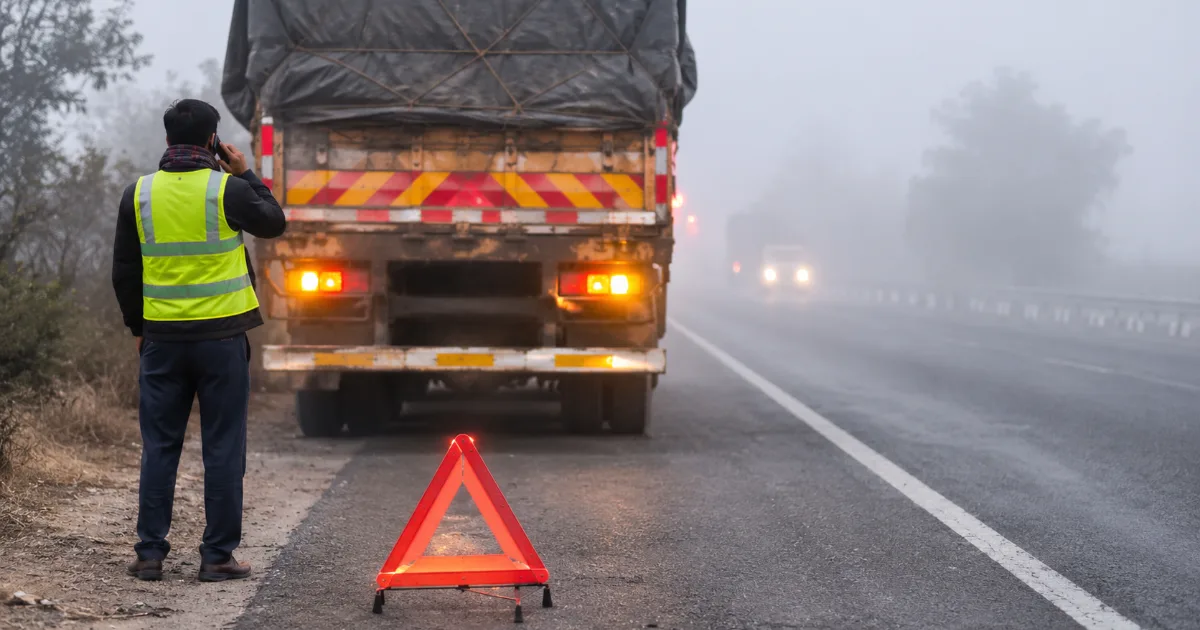
- Stop safely, switch on hazard lights and switch off the engine
- Put on a reflective vest and place warning triangles well behind the vehicle
- Check for injuries and call 112 for police and ambulance; on national highways, 1033 can also be used
- Give basic first aid only if trained; do not move seriously injured people unless there is immediate danger
- Do not leave the scene except for personal safety
Under the Motor Vehicles Act, a driver involved in an accident must take reasonable steps to secure medical attention for the injured and report the accident to the police. People who help accident victims in good faith are protected under Good Samaritan provisions.
Inform and document
- Inform the fleet control room or manager immediately
- Take photos of the vehicles, road, signs and damage from several angles
- Note time, location, weather, other vehicle numbers and witness contacts
- Keep vehicle documents, driving licence and insurance ready for police
Do not admit liability or sign statements you do not understand; let the company and its advisers handle legal matters.
Insurance and legal steps
Inform the insurer as soon as possible, as policies require prompt notice. Keep a copy of the FIR or police report, the surveyor's report, repair estimates and medical records. Injured victims may also be eligible for cashless treatment under the government's scheme for road accident victims; hospitals can guide them. Legal support for third-party claims is available from ATTPL Legal.
Learn from every incident
After the immediate response, conduct a calm root-cause review: driver hours, speed, route, vehicle condition, weather and loading. Overloading and fatigue are common factors — see our guide on truck overloading and axle limits. Update training and policies based on what you learn.
Build the protocol into daily operations
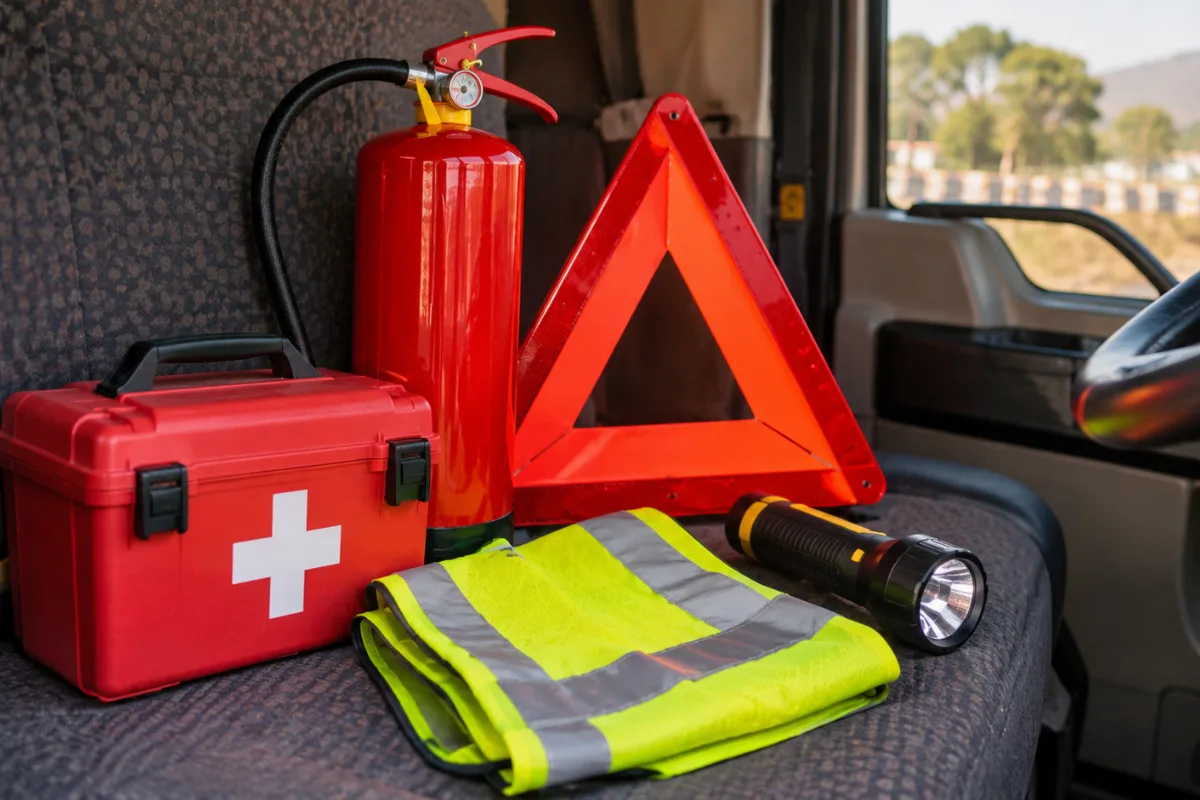
Keep an emergency kit in every cabin, refresh driver training every quarter, and run mock drills. ATTPL Fleet helps fleets organise safety and compliance processes, and motor insurance choices are explained by ATTPL Finance.
Frequently asked questions
What is the first thing a driver should do after an accident?
Make the scene safe with hazard lights and warning triangles, check for injuries and call 112 for help.
Is it compulsory to report an accident to the police?
Yes. The Motor Vehicles Act requires the driver to report the accident to the police and help secure medical attention for the injured.
When should the insurer be informed?
As soon as possible after the accident, as policies require prompt notice of claims.
Sources and further reading
This article is general information for fleet operators and drivers. Follow current laws, official advisories and your company's safety policies.