
Operations
Proof of Delivery (POD) Management: Faster Billing for Transporters
By ATTPL Fleet · · 2 min read
How transporters and shippers can manage proof of delivery — what a good POD contains, digital ePOD, handling shortages and damages, and linking POD to faster invoicing.

What a proof of delivery is
For many transporters, the trip is finished in a day but payment waits weeks because the proof of delivery has not reached the billing desk. Fixing POD handling is one of the easiest ways to improve cash flow.
A proof of delivery (POD) is the consignee's acknowledgement that goods were received — usually a signed and stamped copy of the lorry receipt, delivery challan or invoice. Shippers need it to close orders and bill their customers; transporters need it to raise freight bills and settle claims.
What a good POD contains
- Consignment note or LR number and invoice numbers
- Date and time of delivery
- Quantity received and condition remarks
- Name, signature and stamp of the receiver
- Notes on shortages, damages or seal condition
Move from paper to ePOD
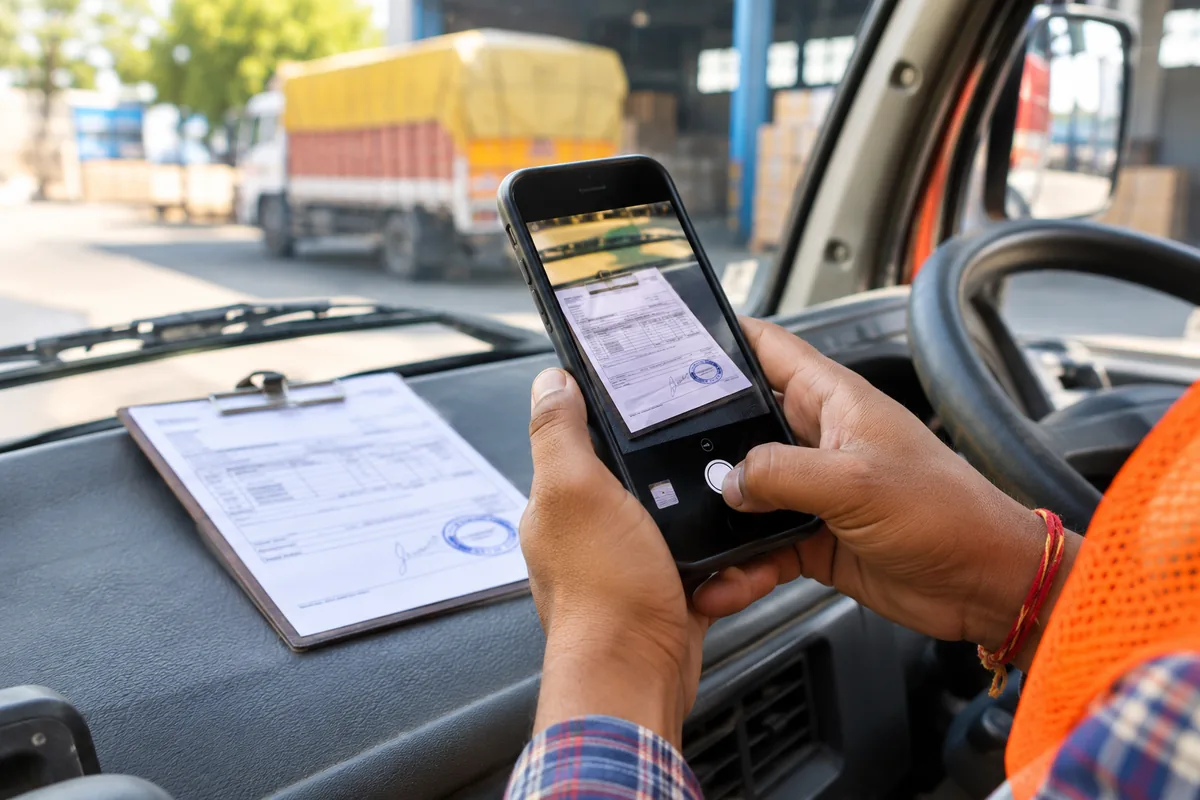
Paper PODs get lost or arrive late. With an electronic POD, the driver captures a photo of the signed document, a receiver signature or an OTP on a mobile app, with GPS location and time. The record reaches the office instantly. Combine ePOD with GPS vehicle tracking and fleet management software for a complete trip record.
Handling shortages and damage
Record any shortage or damage on the POD at the time of delivery, with photos. Unclear remarks such as 'received subject to check' lead to disputes later. Agree a claim process with the shipper in advance, and keep load securing and packing records to support your position.
Link POD to billing
Set a target, for example POD uploaded within 24 hours of delivery and freight bill raised within 48 hours. Track pending PODs by customer and driver every week. Faster billing reduces working capital needs and the follow-up burden on the accounts team.
Getting started
ATTPL Fleet uses trip documentation and delivery records for its project and industrial cargo clients. Customer follow-ups on pending payments can be organised in ATTPL CRM, and invoicing processes are discussed by ATTPL Consultancy.
Frequently asked questions
Is a photo of a signed POD acceptable?
Many shippers accept digital POD images. Agree the format in your contract and keep originals if required.
What should the receiver write if goods are damaged?
Specific remarks on what is damaged or short, with quantities, supported by photos.
How does POD affect cash flow?
Freight bills usually need a POD. Faster POD collection means faster billing and payment.
Sources and further reading
This article is general information for transporters and shippers. Contract terms and documentation requirements vary; follow your agreements and applicable rules.